IPTV Technology Explained: How Internet Protocol Television Works iptvfree24
February 27, 2026
1. Understanding IPTV Technology
Internet Protocol Television (IPTV) represents the future of television broadcasting. This comprehensive guide explains how IPTV technology works, its advantages over traditional TV, and the innovations driving modern entertainment.
2. The Fundamentals of IPTV
Internet Protocol: IPTV uses IP packets to deliver television content over the internet.
Streaming Technology: Content is streamed in real-time rather than downloaded completely.
Two-Way Communication: Interactive features allow user input and personalized content.
On-Demand Access: Watch content whenever you want, not just when it's broadcast.
3. How IPTV Streaming Works
Content Acquisition: TV signals are captured and digitized for internet transmission.
Encoding Process: Video is compressed using advanced codecs (H.264, H.265) for efficient delivery.
Content Delivery Networks (CDN): Global networks ensure fast, reliable content distribution.
Adaptive Bitrate Streaming: Quality automatically adjusts based on your internet connection.
4. Core IPTV Technologies
MPEG-4/AVC (H.264): Industry-standard video compression for HD streaming.
HEVC (H.265): Advanced codec enabling 4K streaming with smaller file sizes.
HTTP Live Streaming (HLS): Apple's protocol for adaptive bitrate streaming.
Dynamic Adaptive Streaming over HTTP (DASH): Open standard for multi-device streaming.
5. Streaming Protocols Explained
Unicast Streaming: One-to-one delivery for individual viewers.
Multicast Streaming: One-to-many delivery for efficient bandwidth usage.
Real-Time Transport Protocol (RTP): Ensures timing and synchronization of media streams.
Real-Time Streaming Protocol (RTSP): Controls streaming media playback.
6. Video Quality Technologies
4K Ultra HD: 3840x2160 resolution with four times more detail than HD.
High Dynamic Range (HDR): Enhanced contrast and color reproduction.
Dolby Vision: Scene-by-scene optimization for perfect picture quality.
Wide Color Gamut: Millions of colors for lifelike visuals.
7. Audio Excellence in IPTV
Dolby Digital: Surround sound for immersive audio experiences.
Dolby Atmos: Object-based audio that places sound in 3D space.
Lossless Audio: Uncompressed sound quality preserving every detail.
Multi-Channel Support: Up to 24 audio channels for cinematic experiences.
8. Interactive Features Technology
Electronic Program Guide (EPG): Interactive TV guide with search and recording.
Video on Demand (VOD): Extensive libraries of movies and shows.
Catch-Up TV: Watch missed programs for up to 7 days.
Time-Shifted Viewing: Pause, rewind, and fast-forward live TV.
9. Multi-Device Synchronization
Cloud-Based Accounts: Access your preferences and watchlists anywhere.
Cross-Device Continuity: Continue watching where you left off on any device.
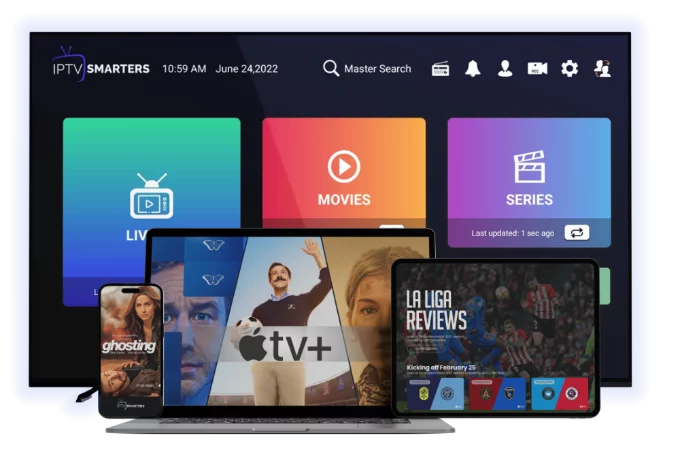
Unified Interface: Consistent experience across smartphones, tablets, and TVs.
Smart Home Integration: Control IPTV with voice assistants and smart devices.
10. Content Delivery Architecture
Edge Computing: Content cached close to users for faster delivery.
Load Balancing: Distributes traffic across multiple servers for reliability.
Redundancy Systems: Backup systems ensure uninterrupted service.
Global Infrastructure: Worldwide data centers for international content delivery.
11. Security & DRM Technologies
Digital Rights Management (DRM): Protects copyrighted content from unauthorized access.
Encryption Standards: AES-128/256 encryption for secure streaming.
Secure Authentication: Multi-factor authentication and secure login protocols.
Anti-Piracy Measures: Advanced systems to prevent unauthorized distribution.
12. Advanced IPTV Features
AI Recommendations: Machine learning suggests content based on viewing habits.
Personalized Content: Custom channels and playlists tailored to preferences.
Social Features: Share viewing experiences and discuss content with friends.
Analytics Integration: Detailed viewing statistics and usage insights.
13. Network Requirements & Optimization
Bandwidth Needs: Minimum speeds for different quality levels (HD: 5 Mbps, 4K: 25 Mbps).
Quality of Service (QoS): Network prioritization for smooth streaming.
Buffer Management: Intelligent buffering to prevent interruptions.
Network Diagnostics: Tools to troubleshoot and optimize connections.
14. Future IPTV Technologies
8K Streaming: Next-generation resolution with 16 times more detail than HD.
Virtual Reality (VR): Immersive viewing experiences with VR headsets.
Augmented Reality (AR): Interactive overlays and enhanced viewing features.
5G Integration: Ultra-low latency streaming with 5G networks.
15. IPTV vs Traditional Broadcasting
Superior Quality: Digital delivery eliminates analog degradation.
Interactive Capabilities: Two-way communication impossible with traditional TV.
Global Reach: Internet delivery transcends geographical limitations.
Scalability: Easy to add new features and content without infrastructure changes.
16. The Technical Edge of IPTV
IPTV technology combines the best of internet innovation with television entertainment. Advanced protocols, compression techniques, and delivery systems ensure superior quality and reliability that traditional broadcasting cannot match.
17. Staying Current with IPTV Tech
The field evolves rapidly with new standards and technologies emerging regularly. Understanding IPTV fundamentals helps users make informed decisions and maximize their entertainment experience.
Internet Protocol Television (IPTV) represents the future of television broadcasting. This comprehensive guide explains how IPTV technology works, its advantages over traditional TV, and the innovations driving modern entertainment.
2. The Fundamentals of IPTV
Internet Protocol: IPTV uses IP packets to deliver television content over the internet.
Streaming Technology: Content is streamed in real-time rather than downloaded completely.
Two-Way Communication: Interactive features allow user input and personalized content.
On-Demand Access: Watch content whenever you want, not just when it's broadcast.
3. How IPTV Streaming Works
Content Acquisition: TV signals are captured and digitized for internet transmission.
Encoding Process: Video is compressed using advanced codecs (H.264, H.265) for efficient delivery.
Content Delivery Networks (CDN): Global networks ensure fast, reliable content distribution.
Adaptive Bitrate Streaming: Quality automatically adjusts based on your internet connection.
4. Core IPTV Technologies
MPEG-4/AVC (H.264): Industry-standard video compression for HD streaming.
HEVC (H.265): Advanced codec enabling 4K streaming with smaller file sizes.
HTTP Live Streaming (HLS): Apple's protocol for adaptive bitrate streaming.
Dynamic Adaptive Streaming over HTTP (DASH): Open standard for multi-device streaming.
5. Streaming Protocols Explained
Unicast Streaming: One-to-one delivery for individual viewers.
Multicast Streaming: One-to-many delivery for efficient bandwidth usage.
Real-Time Transport Protocol (RTP): Ensures timing and synchronization of media streams.
Real-Time Streaming Protocol (RTSP): Controls streaming media playback.
6. Video Quality Technologies
4K Ultra HD: 3840x2160 resolution with four times more detail than HD.
High Dynamic Range (HDR): Enhanced contrast and color reproduction.
Dolby Vision: Scene-by-scene optimization for perfect picture quality.
Wide Color Gamut: Millions of colors for lifelike visuals.
7. Audio Excellence in IPTV
Dolby Digital: Surround sound for immersive audio experiences.
Dolby Atmos: Object-based audio that places sound in 3D space.
Lossless Audio: Uncompressed sound quality preserving every detail.
Multi-Channel Support: Up to 24 audio channels for cinematic experiences.
8. Interactive Features Technology
Electronic Program Guide (EPG): Interactive TV guide with search and recording.
Video on Demand (VOD): Extensive libraries of movies and shows.
Catch-Up TV: Watch missed programs for up to 7 days.
Time-Shifted Viewing: Pause, rewind, and fast-forward live TV.
9. Multi-Device Synchronization
Cloud-Based Accounts: Access your preferences and watchlists anywhere.
Cross-Device Continuity: Continue watching where you left off on any device.
Unified Interface: Consistent experience across smartphones, tablets, and TVs.
Smart Home Integration: Control IPTV with voice assistants and smart devices.
10. Content Delivery Architecture
Edge Computing: Content cached close to users for faster delivery.
Load Balancing: Distributes traffic across multiple servers for reliability.
Redundancy Systems: Backup systems ensure uninterrupted service.
Global Infrastructure: Worldwide data centers for international content delivery.
11. Security & DRM Technologies
Digital Rights Management (DRM): Protects copyrighted content from unauthorized access.
Encryption Standards: AES-128/256 encryption for secure streaming.
Secure Authentication: Multi-factor authentication and secure login protocols.
Anti-Piracy Measures: Advanced systems to prevent unauthorized distribution.
12. Advanced IPTV Features
AI Recommendations: Machine learning suggests content based on viewing habits.
Personalized Content: Custom channels and playlists tailored to preferences.
Social Features: Share viewing experiences and discuss content with friends.
Analytics Integration: Detailed viewing statistics and usage insights.
13. Network Requirements & Optimization
Bandwidth Needs: Minimum speeds for different quality levels (HD: 5 Mbps, 4K: 25 Mbps).
Quality of Service (QoS): Network prioritization for smooth streaming.
Buffer Management: Intelligent buffering to prevent interruptions.
Network Diagnostics: Tools to troubleshoot and optimize connections.
14. Future IPTV Technologies
8K Streaming: Next-generation resolution with 16 times more detail than HD.
Virtual Reality (VR): Immersive viewing experiences with VR headsets.
Augmented Reality (AR): Interactive overlays and enhanced viewing features.
5G Integration: Ultra-low latency streaming with 5G networks.
15. IPTV vs Traditional Broadcasting
Superior Quality: Digital delivery eliminates analog degradation.
Interactive Capabilities: Two-way communication impossible with traditional TV.
Global Reach: Internet delivery transcends geographical limitations.
Scalability: Easy to add new features and content without infrastructure changes.
16. The Technical Edge of IPTV
IPTV technology combines the best of internet innovation with television entertainment. Advanced protocols, compression techniques, and delivery systems ensure superior quality and reliability that traditional broadcasting cannot match.
17. Staying Current with IPTV Tech
The field evolves rapidly with new standards and technologies emerging regularly. Understanding IPTV fundamentals helps users make informed decisions and maximize their entertainment experience.