IPTV vs Traditional TV: Cable, Satellite & Streaming Compared iptvfree24
February 24, 2026
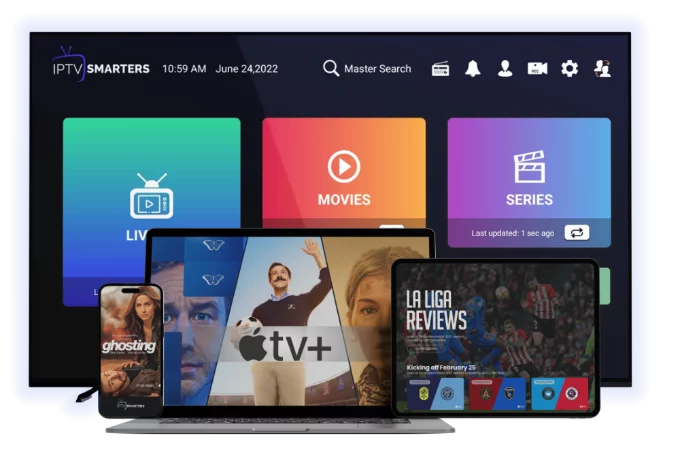
1. The Television Revolution
Traditional cable and satellite TV dominated for decades, but IPTV technology has transformed entertainment delivery. In 2025, the comparison overwhelmingly favors IPTV for quality, cost, and convenience.
2. Cost Comparison Breakdown
Cable TV: Average $80-120/month with hidden fees, equipment rentals, and installation costs.
Satellite TV: $60-100/month with expensive equipment and regional limitations.
IPTV Services: $20-50/month with transparent pricing and no hidden fees.
Long-Term Savings: IPTV users save $500-1,000+ annually compared to traditional services.
3. Channel Selection & Quality
Cable TV: Limited local channels with regional variations and blackouts.
Satellite TV: National channels but poor quality in bad weather and limited local options.
IPTV: 10,000+ channels including international content with 4K Ultra HD quality.
Content Flexibility: IPTV offers on-demand libraries that traditional TV can't match.
4. Technology & Features
Cable TV: Basic DVR with limited storage and clunky interfaces.
Satellite TV: Outdated technology with signal delays and weather interference.
IPTV Advantages: Cloud DVR, multi-device streaming, AI recommendations, and advanced features.
Future-Proof: IPTV supports cutting-edge technologies like 8K and interactive content.
5. Installation & Equipment
Cable TV: Professional installation required with expensive cable boxes and wiring.
Satellite TV: Complex satellite dish installation with ongoing maintenance costs.
IPTV: Simple setup with existing internet connection - no professional installation needed.
Device Flexibility: IPTV works on any smart device, anywhere in the world.
6. Reliability & Performance
Cable TV: Consistent but limited by physical infrastructure and local outages.
Satellite TV: Weather-dependent with signal loss during storms and poor reception.
IPTV: Internet-dependent but with redundant servers and global CDN for reliability.
Quality Control: IPTV offers adaptive streaming for consistent quality on any connection.
7. Customer Service Experience
Cable TV: Long wait times, scheduled appointments, and limited support hours.
Satellite TV: Technical issues require on-site visits and extended troubleshooting.
IPTV: 24/7 chat support, self-service tools, and instant issue resolution.
User Empowerment: IPTV puts control in your hands with online account management.
8. Contract & Flexibility
Cable TV: Long-term contracts with early termination fees and rate increases.
Satellite TV: Multi-year commitments with equipment leasing obligations.
IPTV Freedom: Month-to-month subscriptions with no contracts and instant cancellation.
Scalability: Easily upgrade or downgrade packages as your needs change.
9. Content Availability & Variety
Cable TV: Limited by local providers and carriage disputes.
Satellite TV: National feeds but missing local sports and events.
IPTV Global Access: International channels, niche content, and specialized programming.
On-Demand Revolution: Unlimited access to movies, shows, and catch-up content.
10. Sports & Live Events
Cable TV: Regional sports networks with blackouts and additional fees.
Satellite TV: National sports but missing local team coverage.
IPTV Sports Advantage: Global sports coverage without regional restrictions.
Interactive Features: Multiple camera angles, statistics, and enhanced viewing options.
11. Picture & Sound Quality
Cable TV: Basic HD with compression artifacts and limited color depth.
Satellite TV: Compressed signals with weather-related quality degradation.
IPTV Superior Quality: 4K HDR streaming with Dolby Atmos and lossless audio.
Technical Edge: Advanced codecs and streaming technology for pristine quality.
12. Environmental Impact
Cable TV: Energy-intensive cable boxes and infrastructure.
Satellite TV: Space debris and energy consumption for ground stations.
IPTV Efficiency: Low-power streaming devices and cloud-based infrastructure.
Sustainable Choice: IPTV reduces physical waste and energy consumption.
13. The Future of Television
Traditional TV providers struggle to compete with IPTV's innovation and flexibility. As streaming technology advances, IPTV continues to lead with features cable and satellite can't match.
14. Making the Switch
Evaluate your current TV costs, research IPTV providers, and test services with free trials. The superior quality, lower costs, and advanced features make IPTV the clear choice for modern viewers.
15. Conclusion: IPTV Wins
The comparison is clear: IPTV delivers more content, better quality, and superior features at significantly lower costs. Traditional cable and satellite TV belong to the past - IPTV represents the future of television.
Traditional cable and satellite TV dominated for decades, but IPTV technology has transformed entertainment delivery. In 2025, the comparison overwhelmingly favors IPTV for quality, cost, and convenience.
2. Cost Comparison Breakdown
Cable TV: Average $80-120/month with hidden fees, equipment rentals, and installation costs.
Satellite TV: $60-100/month with expensive equipment and regional limitations.
IPTV Services: $20-50/month with transparent pricing and no hidden fees.
Long-Term Savings: IPTV users save $500-1,000+ annually compared to traditional services.
3. Channel Selection & Quality
Cable TV: Limited local channels with regional variations and blackouts.
Satellite TV: National channels but poor quality in bad weather and limited local options.
IPTV: 10,000+ channels including international content with 4K Ultra HD quality.
Content Flexibility: IPTV offers on-demand libraries that traditional TV can't match.
4. Technology & Features
Cable TV: Basic DVR with limited storage and clunky interfaces.
Satellite TV: Outdated technology with signal delays and weather interference.
IPTV Advantages: Cloud DVR, multi-device streaming, AI recommendations, and advanced features.
Future-Proof: IPTV supports cutting-edge technologies like 8K and interactive content.
5. Installation & Equipment
Cable TV: Professional installation required with expensive cable boxes and wiring.
Satellite TV: Complex satellite dish installation with ongoing maintenance costs.
IPTV: Simple setup with existing internet connection - no professional installation needed.
Device Flexibility: IPTV works on any smart device, anywhere in the world.
6. Reliability & Performance
Cable TV: Consistent but limited by physical infrastructure and local outages.
Satellite TV: Weather-dependent with signal loss during storms and poor reception.
IPTV: Internet-dependent but with redundant servers and global CDN for reliability.
Quality Control: IPTV offers adaptive streaming for consistent quality on any connection.
7. Customer Service Experience
Cable TV: Long wait times, scheduled appointments, and limited support hours.
Satellite TV: Technical issues require on-site visits and extended troubleshooting.
IPTV: 24/7 chat support, self-service tools, and instant issue resolution.
User Empowerment: IPTV puts control in your hands with online account management.
8. Contract & Flexibility
Cable TV: Long-term contracts with early termination fees and rate increases.
Satellite TV: Multi-year commitments with equipment leasing obligations.
IPTV Freedom: Month-to-month subscriptions with no contracts and instant cancellation.
Scalability: Easily upgrade or downgrade packages as your needs change.
9. Content Availability & Variety
Cable TV: Limited by local providers and carriage disputes.
Satellite TV: National feeds but missing local sports and events.
IPTV Global Access: International channels, niche content, and specialized programming.
On-Demand Revolution: Unlimited access to movies, shows, and catch-up content.
10. Sports & Live Events
Cable TV: Regional sports networks with blackouts and additional fees.
Satellite TV: National sports but missing local team coverage.
IPTV Sports Advantage: Global sports coverage without regional restrictions.
Interactive Features: Multiple camera angles, statistics, and enhanced viewing options.
11. Picture & Sound Quality
Cable TV: Basic HD with compression artifacts and limited color depth.
Satellite TV: Compressed signals with weather-related quality degradation.
IPTV Superior Quality: 4K HDR streaming with Dolby Atmos and lossless audio.
Technical Edge: Advanced codecs and streaming technology for pristine quality.
12. Environmental Impact
Cable TV: Energy-intensive cable boxes and infrastructure.
Satellite TV: Space debris and energy consumption for ground stations.
IPTV Efficiency: Low-power streaming devices and cloud-based infrastructure.
Sustainable Choice: IPTV reduces physical waste and energy consumption.
13. The Future of Television
Traditional TV providers struggle to compete with IPTV's innovation and flexibility. As streaming technology advances, IPTV continues to lead with features cable and satellite can't match.
14. Making the Switch
Evaluate your current TV costs, research IPTV providers, and test services with free trials. The superior quality, lower costs, and advanced features make IPTV the clear choice for modern viewers.
15. Conclusion: IPTV Wins
The comparison is clear: IPTV delivers more content, better quality, and superior features at significantly lower costs. Traditional cable and satellite TV belong to the past - IPTV represents the future of television.